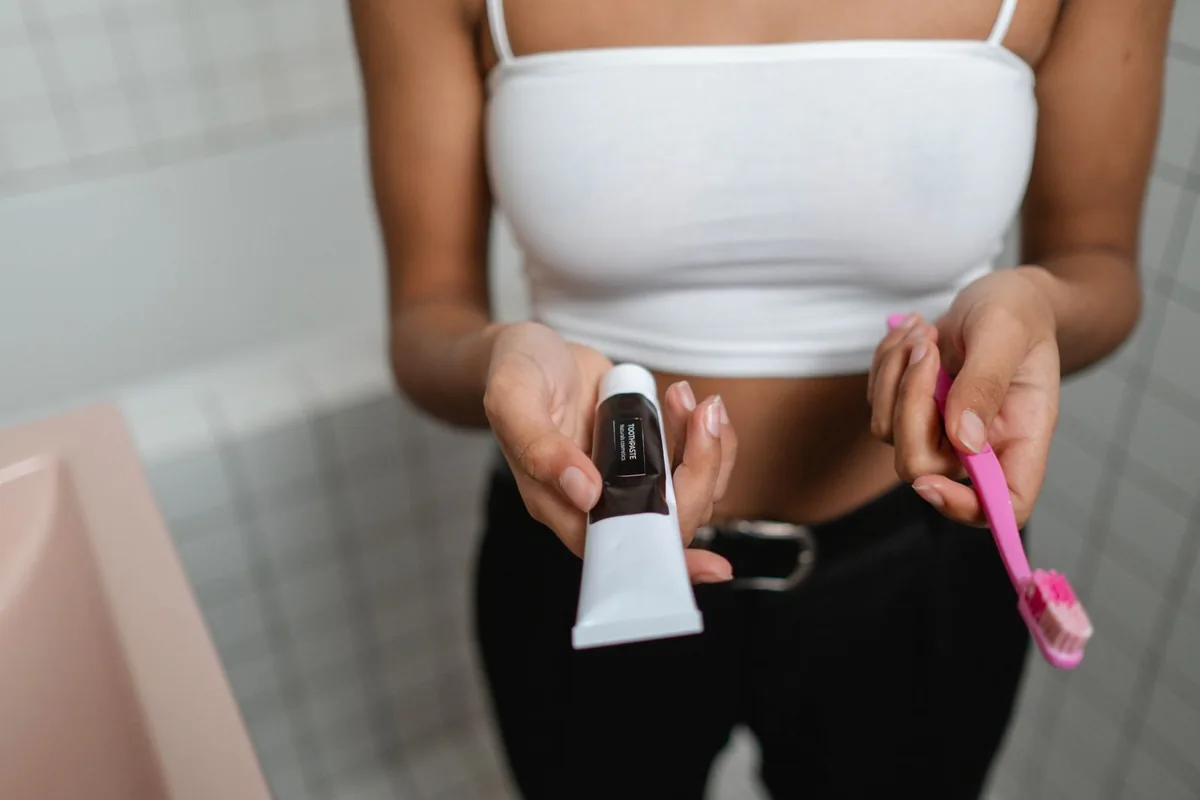
When choosing a toothpaste, many patients look for simple, biocompatible formulations that support oral health without unnecessary additives like artificial dyes or strong foaming agents. Sodium lauryl sulfate (SLS), for example, can irritate sensitive oral tissues in some people.
Two ingredients that frequently appear in both minimalist commercial toothpastes and home care discussions are baking soda (sodium bicarbonate) and hydrogen peroxide. Understanding how these ingredients interact with your teeth and gums can help you choose products that suit your needs.
The Role of Baking Soda: Gentle Polishing and Acid Neutralization
Many patients worry that baking soda is too abrasive for daily use. A published dental review reports a Relative Dentin Abrasivity (RDA) score of approximately 7 for pure sodium bicarbonate, reflecting its low abrasivity. A finished toothpaste’s RDA depends on its full formulation, including any other abrasives.
The ADA’s acceptance threshold is an RDA of 250 or less. This is a laboratory standard, and values below 250 should not be used alone to rank the safety of different toothpastes. Brushing pressure, technique, and the condition of your teeth also matter.
- Balancing Oral pH: Bacteria involved in tooth decay produce acids. Because baking soda is naturally alkaline, a sodium bicarbonate-based paste can help neutralize acids in the mouth. This complements cavity prevention rather than replacing fluoride.
- Mild Surface Stain Removal: Baking soda can help lift extrinsic surface stains from coffee, tea, or food. Removing surface stains is different from changing the underlying colour of a tooth.
The Role of Hydrogen Peroxide: Oxygenation and Stain Reduction
In dentistry, hydrogen peroxide is a well-established whitening agent. Some commercial toothpastes contain low concentrations, although results depend on the formulation and how long the product contacts the teeth.
- Breaking Down Discoloration: Hydrogen peroxide acts as an oxidizing agent, changing stain-causing compounds known as chromogens. Toothpaste has a short contact time, so its effects differ from dentist-supervised whitening.
- Understanding Gum-Health Claims: Hydrogen peroxide has antimicrobial activity, but that does not establish that a peroxide toothpaste treats gingivitis or removes established plaque biofilms. Gum health still depends on thorough brushing, cleaning between your teeth, and professional care when needed.
Peroxide products can cause temporary tooth sensitivity or gum irritation. Ask your dentist about persistent symptoms and follow the instructions for products intended for oral use.
Tailoring Your Home Care Routine in Harmony with Your Smile
Every smile has unique biological needs. What works well for a patient looking to manage mild surface staining may not be the ideal choice for everyone.
At Carling Harmony Dental, our focus is on minimal intervention and preserving your natural tooth structure for life. At your next preventative care visit, we are happy to review the ingredients in your current oral care products and recommend biocompatible options tailored specifically to your dental health goals.
Interested in a brighter smile? Our cosmetic dentistry team can also explain professional whitening options and whether they suit your teeth.
Disclaimer: The information provided in this article is for educational and informational purposes only and is not a substitute for professional dental advice, diagnosis, or treatment. Always seek the advice of your dentist or another qualified healthcare provider with any questions you may have regarding your oral health or before making changes to your daily hygiene regimen.
Find the Right Routine for Your Smile
Bring your oral care questions to your next visit. We’ll help you choose products that fit your dental health goals.